The carbon handlebar is the direct interface between rider and trajectory — torsional stiffness determines how precisely steering inputs translate to the front wheel, vibration damping defines comfort over long rides, and geometry adapts position to discipline demands: flat bar for mountain biking, drop bar for road, aero bars for track and triathlon.
Frequently Asked Questions
What is the advantage of a BXT carbon handlebar over aluminium?
A BXT carbon handlebar absorbs 40 to 60% more high-frequency road vibrations than an aluminium bar, reducing hand and wrist fatigue over long distances.
What BXT handlebar size should I choose?
The most common clamping diameter is 31.8 mm (Oversize). Width is chosen based on your shoulders: measure your acromion-to-acromion span and choose a handlebar of the same width plus or minus 2 cm.
Is the BXT carbon handlebar compatible with my current stem?
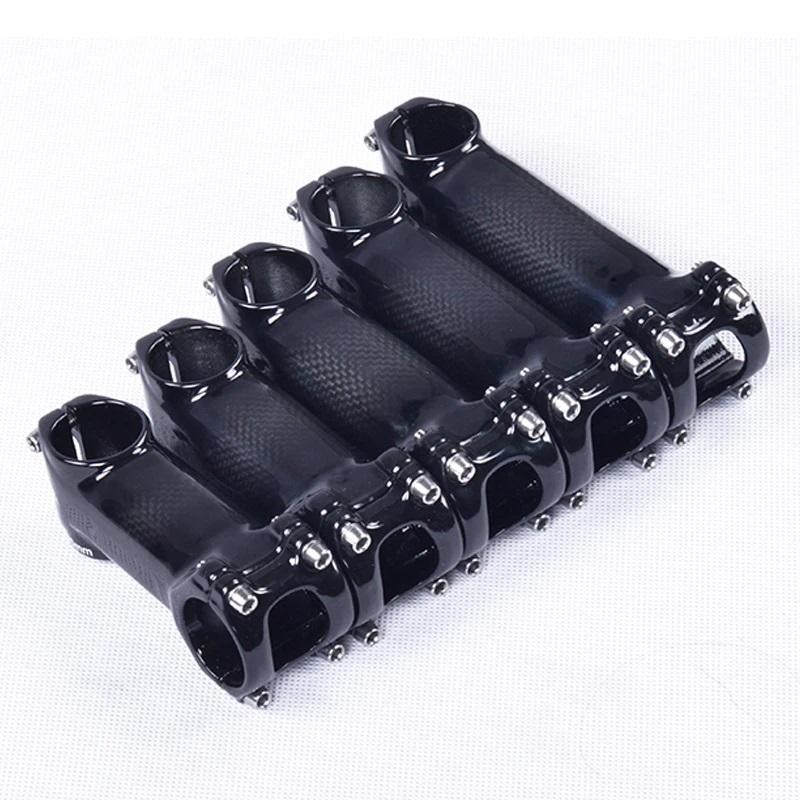
BXT 31.8 mm handlebars are compatible with all standard Oversize stems. 35 mm models require a specific stem. Check your stem’s clamping diameter before ordering.
Can aero extensions be fitted to a BXT handlebar?
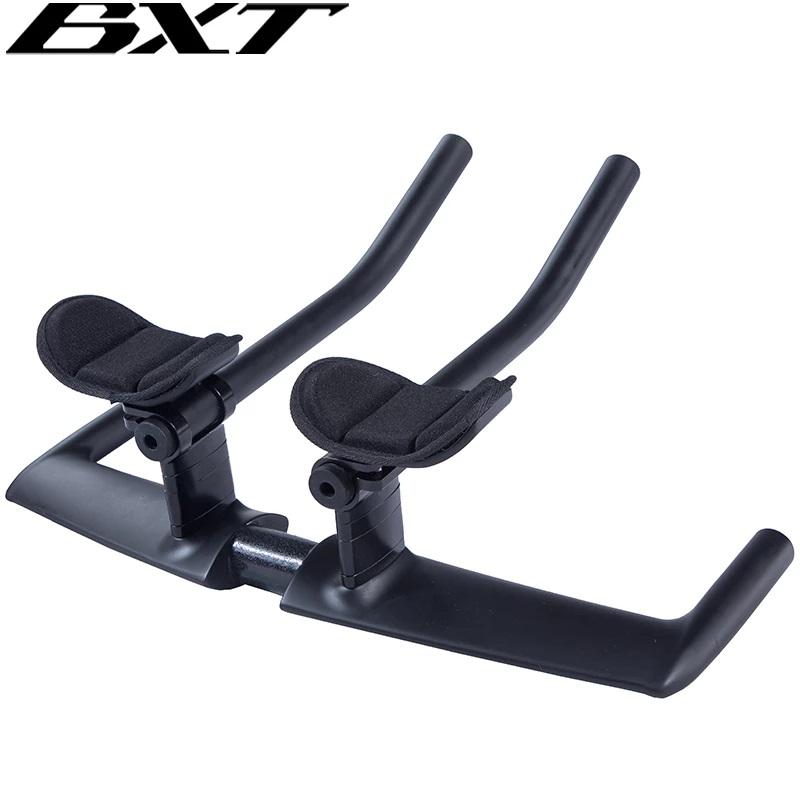
For aero extension installation, use 31.8 mm clamp adapters compatible with commercially available handlebar extensions.

BXT OFFICIAL STORE
BXT CARBON
PARTS · WHEELS · PEDALS · FORK · FRAME · BIKE
Available on Amazon & AliExpress
BXT CARBON PARTS
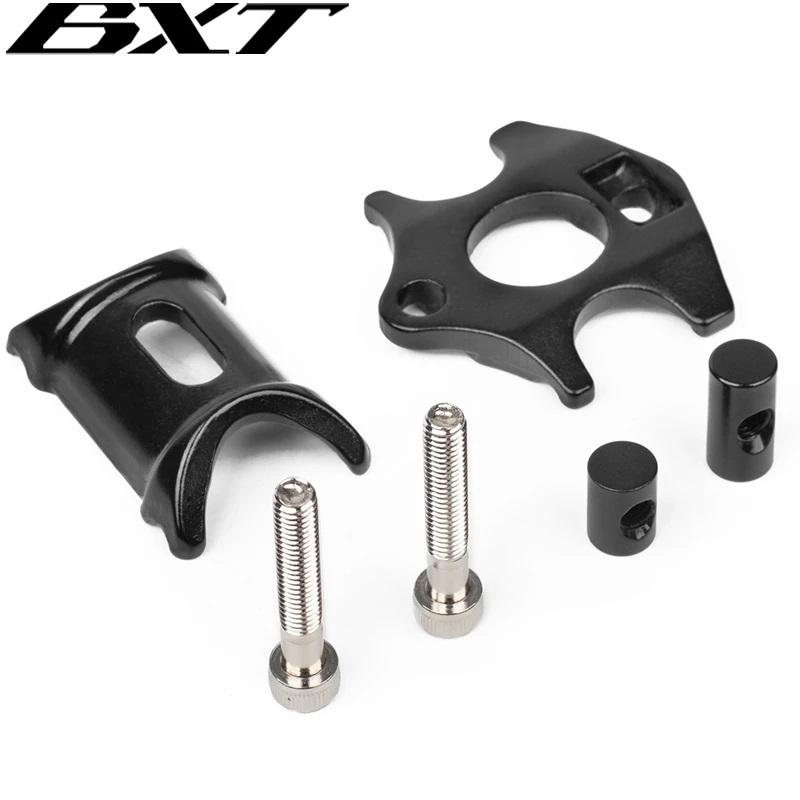
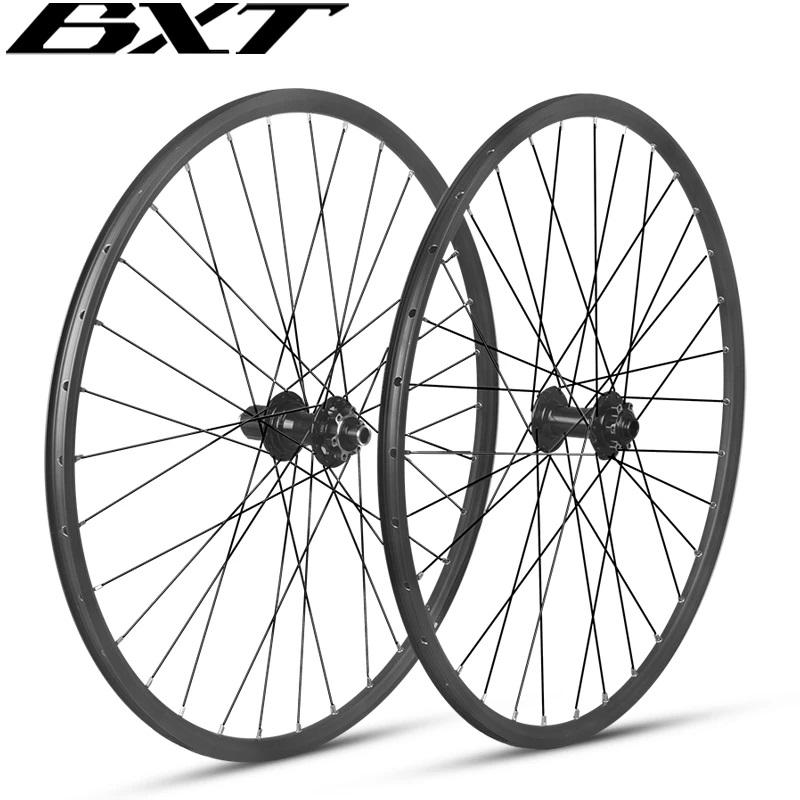
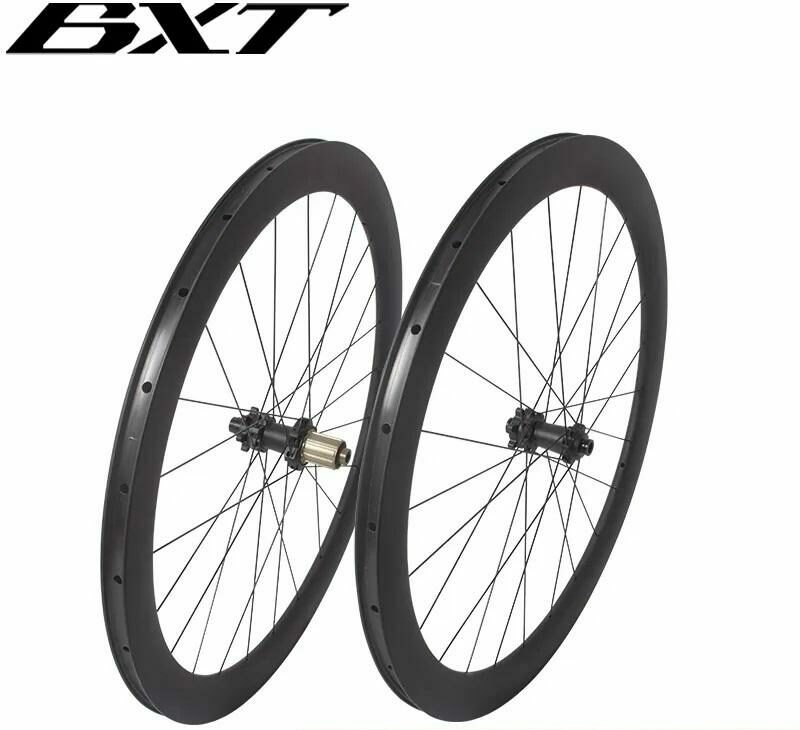
BXT CARBON WHEEL
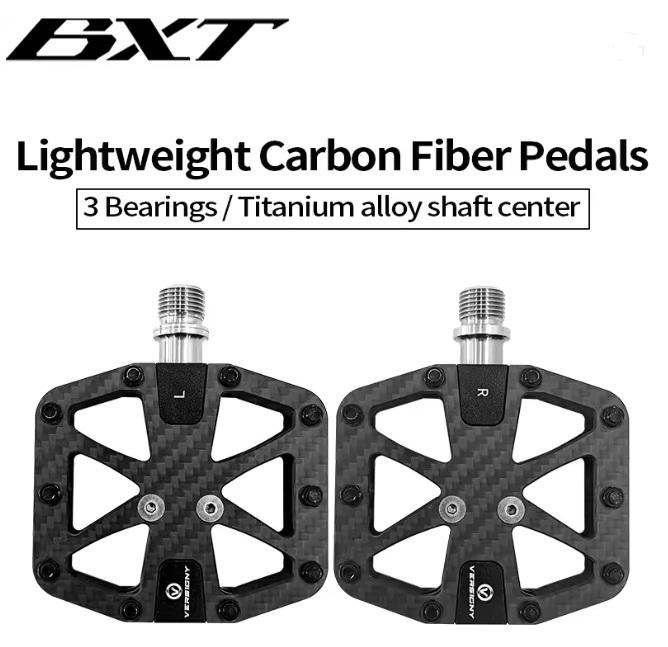
BXT CARBON PEDALS
BXT CARBON FORK
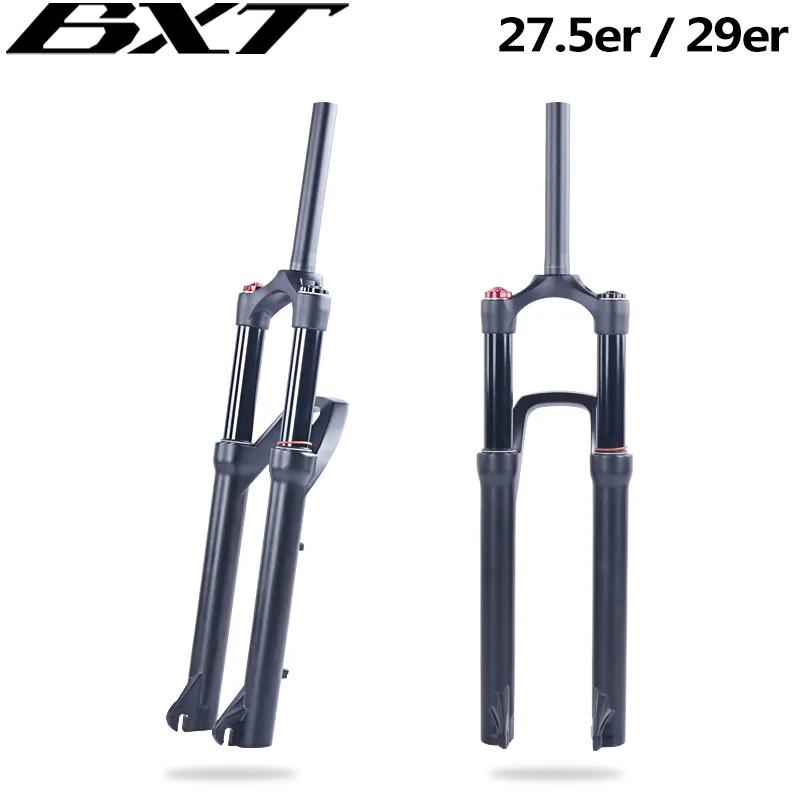
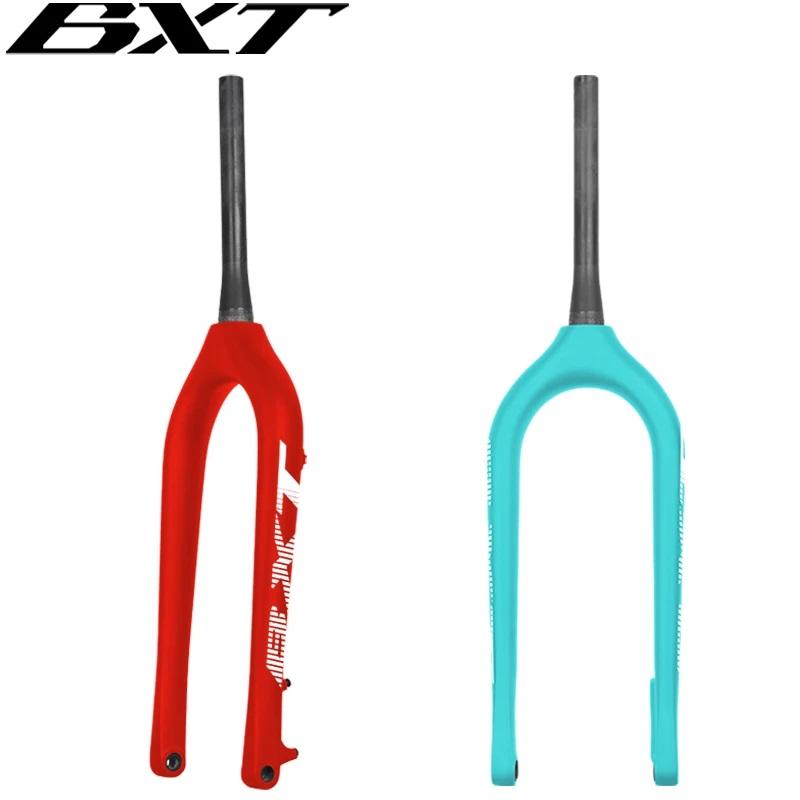
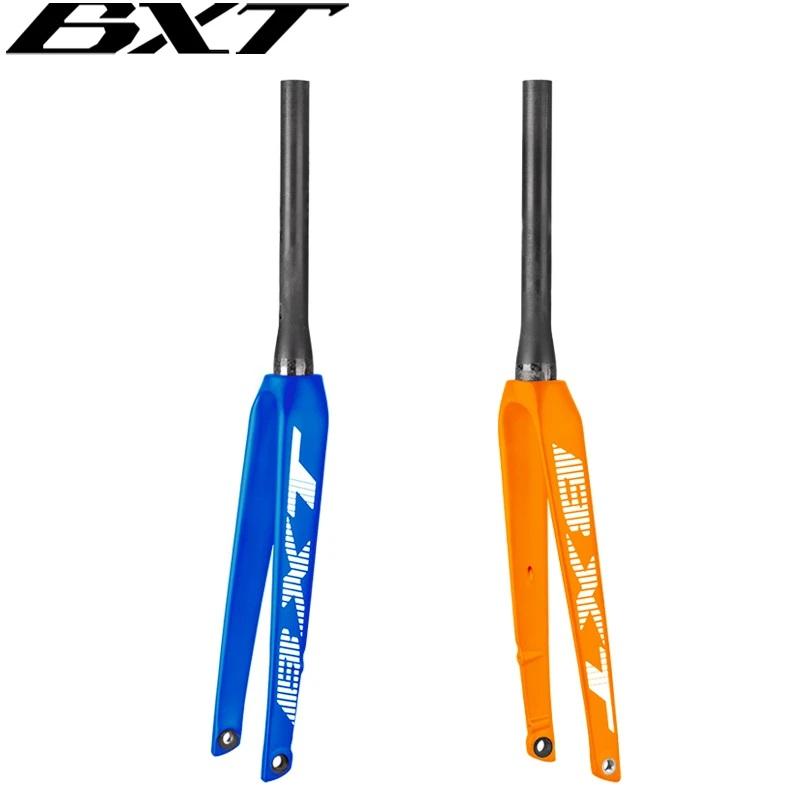
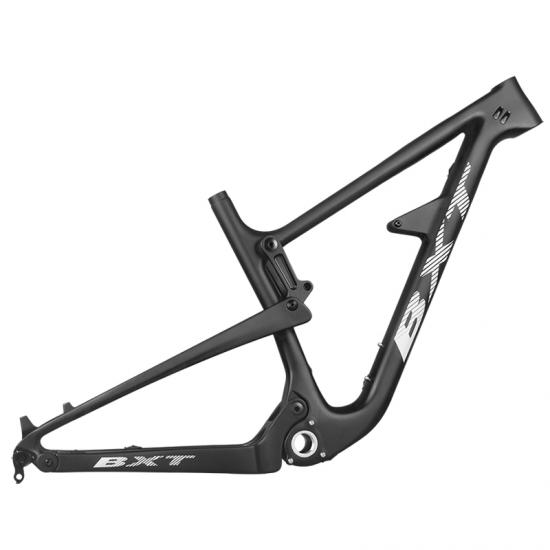
BXT CARBON FRAME
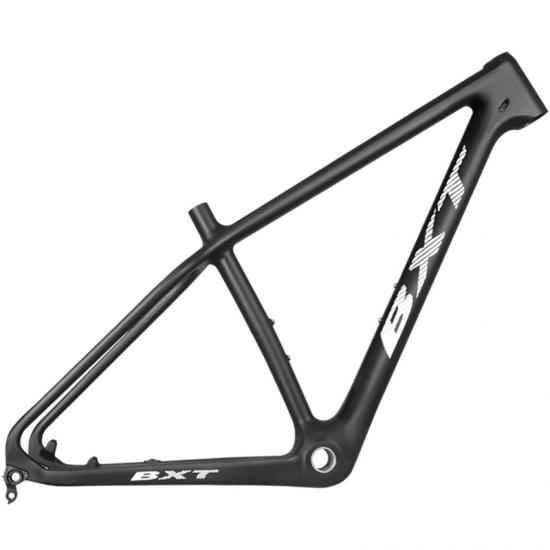
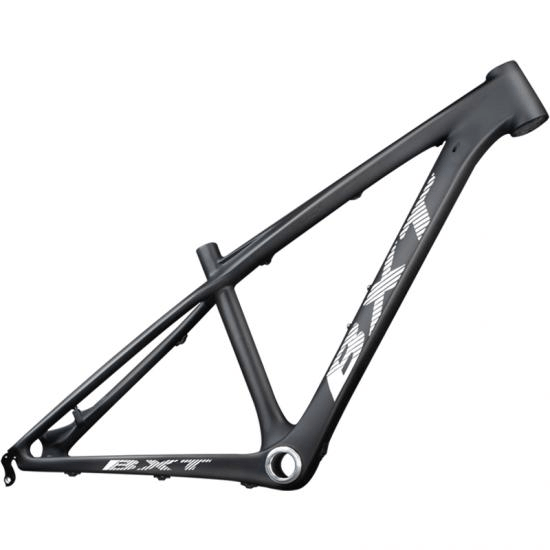
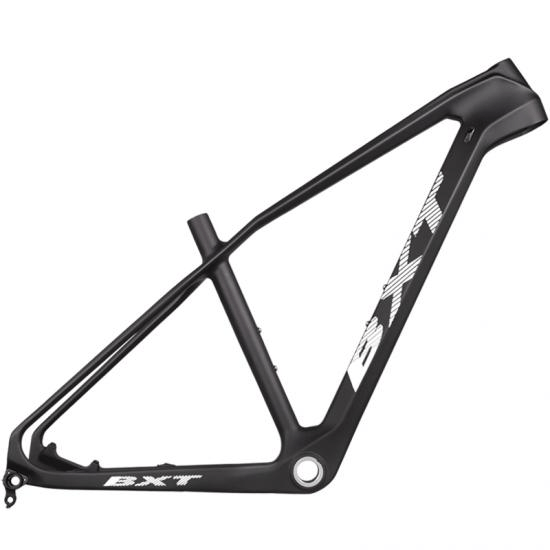
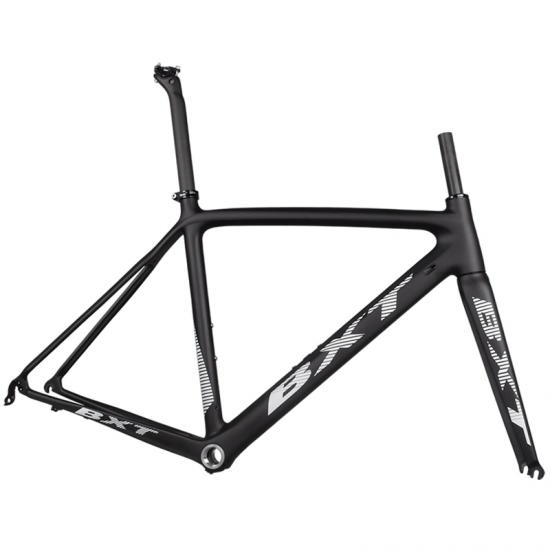
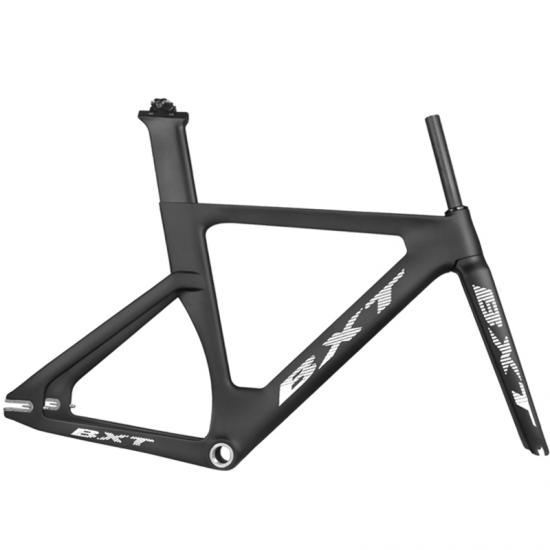
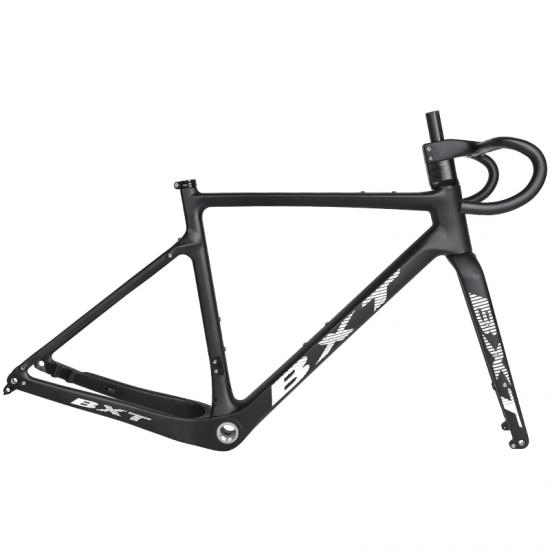
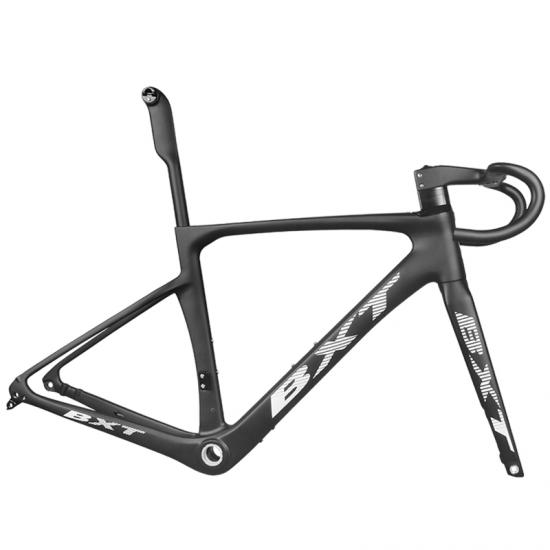
BXT CARBON BIKE
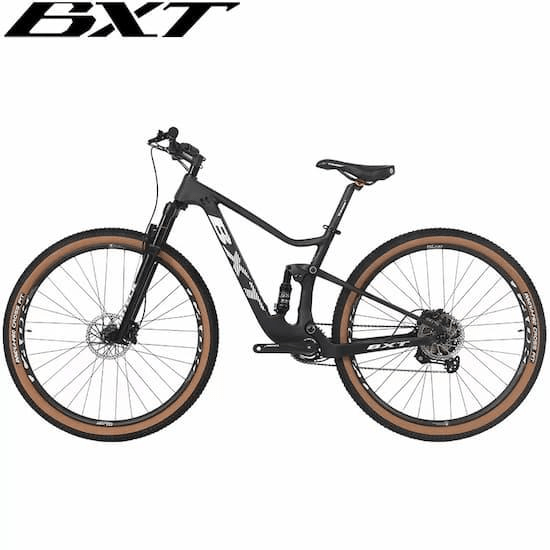
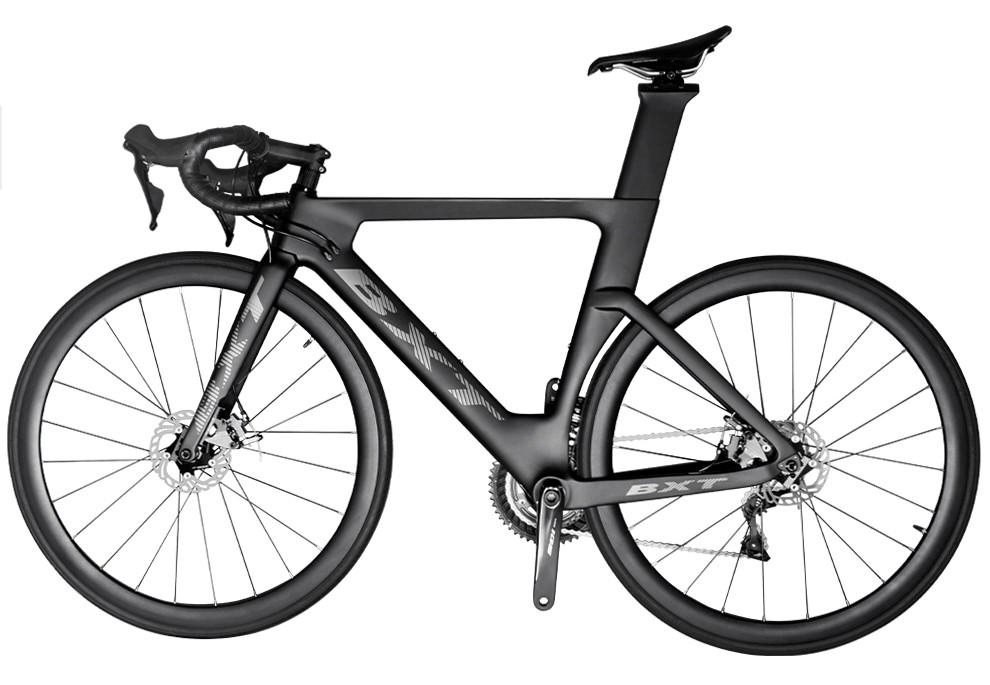
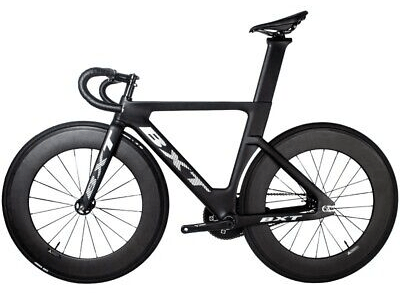
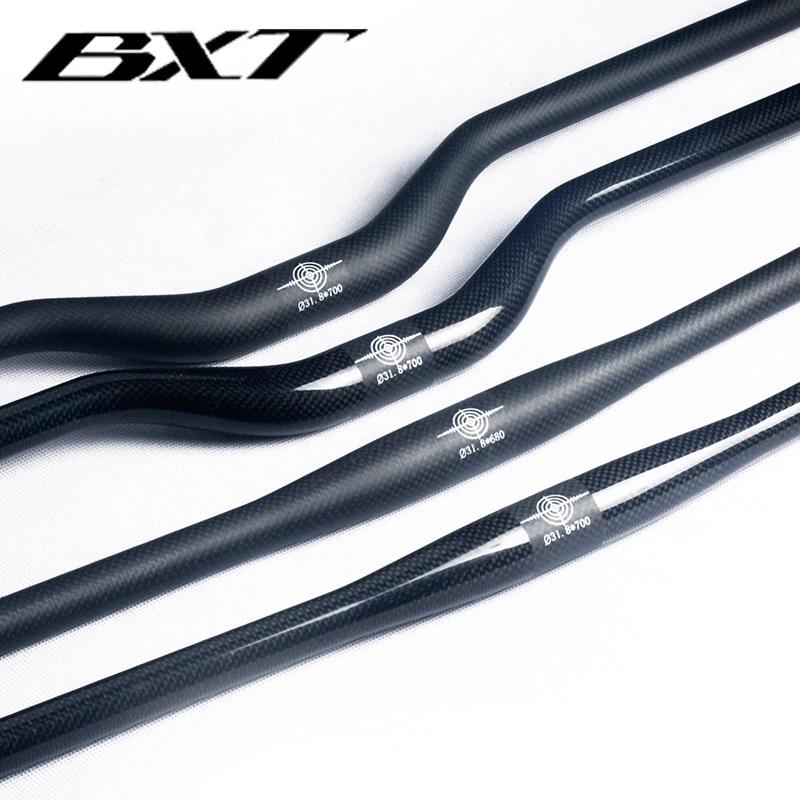
BXT CARBON MTB, AM, XC HANDLEBAR
BXT MTB, AM, and XC handlebars are built in T1000 carbon with ±45° layups to balance torsional rigidity for steering precision against axial compliance for vibration absorption. On rough terrain, this characteristic reduces arm and wrist fatigue during sustained descents, where aluminum bars transmit every impact without any filtering.
High lateral stiffness in BXT MTB handlebars ensures every bar rotation translates immediately into a course change, without parasitic flex between hands and front wheel. This responsiveness is critical in low-speed technical sections — rock gardens, wet roots — where timing of input matters more than muscle output.
BXT MTB/AM/XC handlebar cross-sections are engineered for cyclic fatigue resistance over thousands of kilometers: thicker walls at clamp zones and bar ends, thinner on lateral extensions to save weight and improve vibration filtering. Every handlebar passes a static load test at 1.5× failure limit before certification.
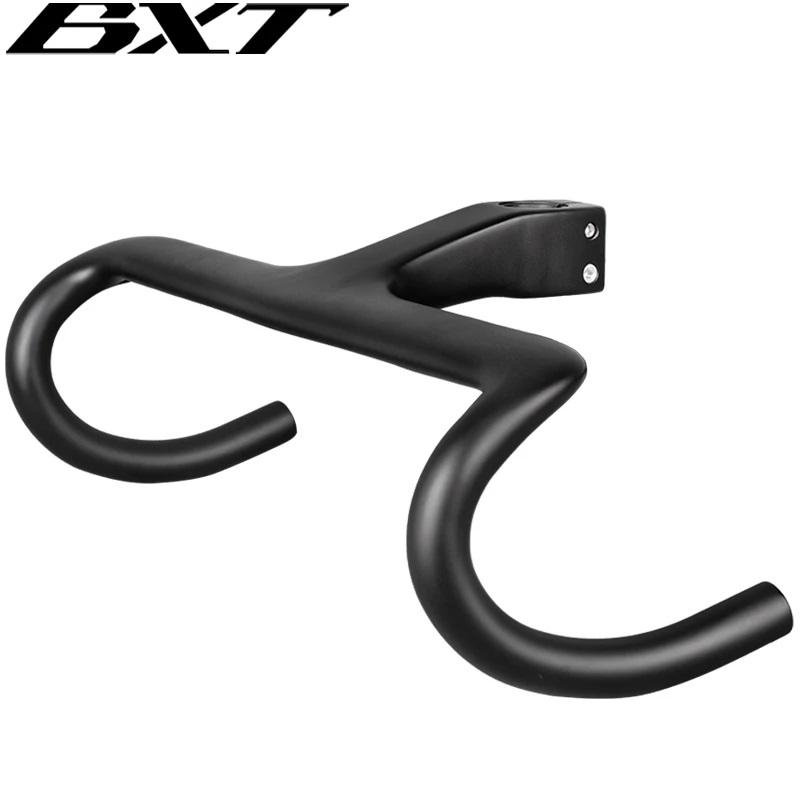
BXT CARBON ROAD HANDLEBAR
BXT road carbon handlebars outlast their aluminum counterparts under cyclic loading: T1000 carbon fiber does not plastically deform under repeated stress cycles the way aluminum eventually ovalizes under tight clamp pressure. Shape and stiffness are maintained across the full handlebar lifespan.
BXT road handlebar aesthetics integrate cleanly with the complete build: thermally bonded graphics resist bar tape removal solvents, and polished bar sections allow clean cable passage in fully integrated routing configurations.
BXT road handlebars are available in multiple widths and drop depths for position customization by morphology and riding style. An aero-focused rider selects a narrow bar with a deep drop; an endurance rider prefers a wider bar with a shorter drop for position variety across long distances.
On road and track, BXT carbon handlebars deliver measurable competition advantages: reduced rotational inertia at the bar ends improves cornering response, and the lower mass of the bar-stem assembly reduces the overall moment of inertia, making position changes more fluid.
High axial stiffness in BXT carbon road handlebars translates directly into sprint power transfer: when you pull on the bar out of the saddle, every newton-meter of effort reaches the drivetrain rather than being lost to handlebar flex — a gain that becomes most noticeable in the final sprint after 200 km of racing.
The aerodynamic profile of BXT road handlebars — compressed elliptical cross-section, continuous transition between stem and extensions — reduces frontal drag in the aero position. Cable integration into the bar profile eliminates flow disturbances across the entire front of the bike.
BXT carbon handlebars are particularly well-suited to triathlon and time trial bikes, where the aero position creates asymmetric handlebar stress from alternating elbow pressure on the armrests. Multi-axial fiber layups absorb these torsional forces without deformation or creaking under sustained load.
See also