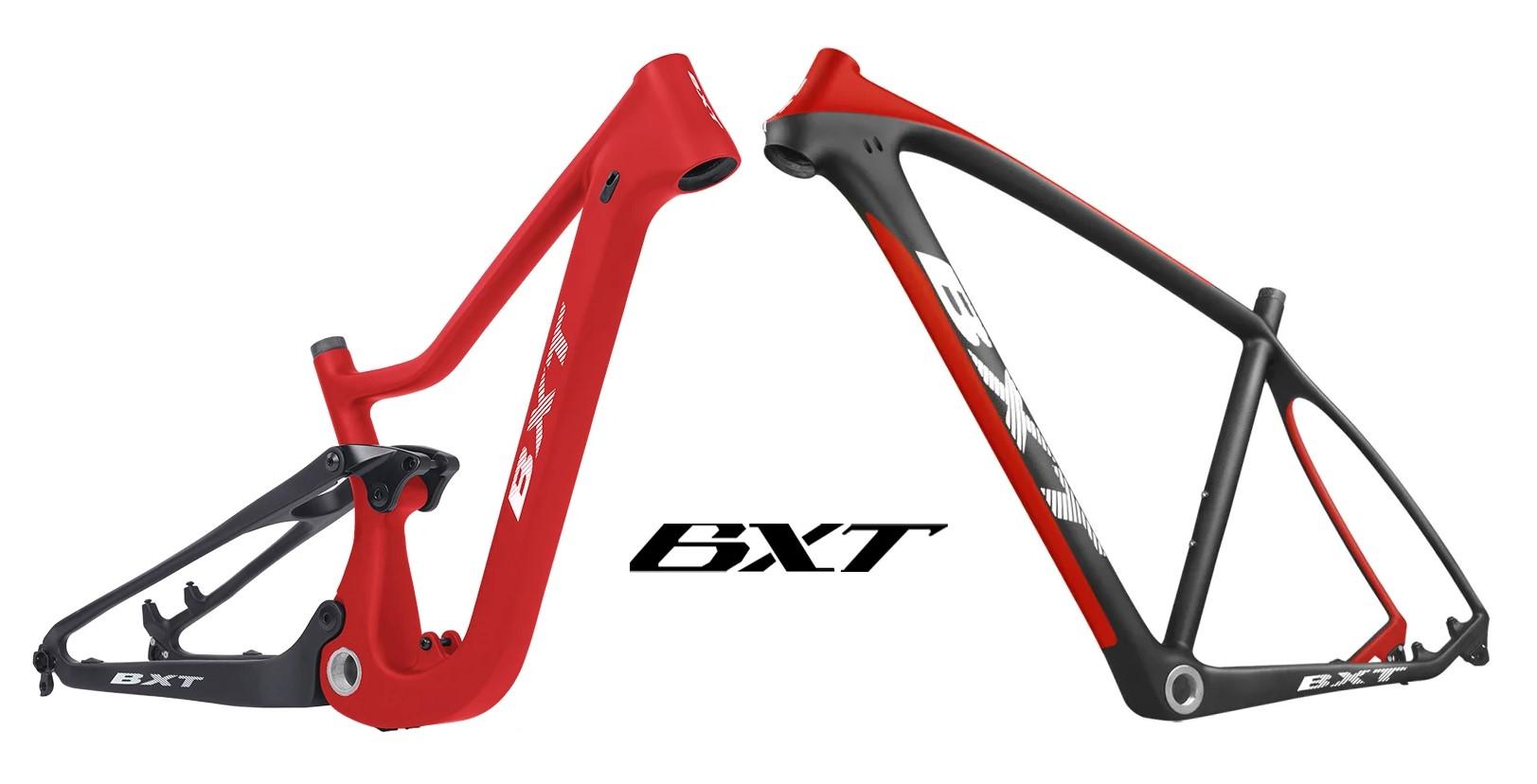
The T1000 carbon frame is BXT’s technical foundation. Each tube section is engineered for its specific load case — torsional stiffness at the bottom bracket, vertical compliance in the seatstays, lateral precision at the head tube. BXT builds exclusively in T1000 high-modulus carbon fiber, the same grade specified for aerospace structural components.
Frequently Asked Questions
What does a BXT carbon frame weigh?
BXT carbon frames weigh between 900 g and 1,350 g depending on format (road, gravel, endurance), which is 30 to 40% less than an equivalent aluminium frame at the same torsional stiffness.
Is the BXT frame compatible with my groupset?
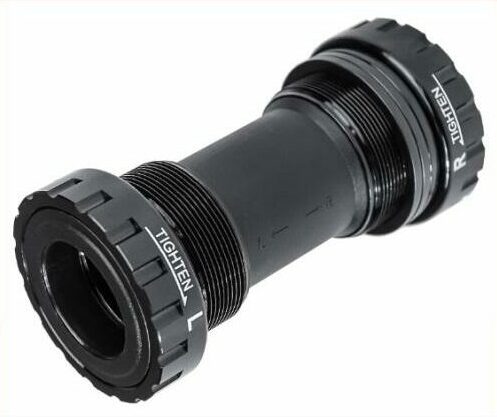
BXT frames are available in BB86, PF30, or BSA standards depending on the reference. Check the bottom bracket standard in the technical sheet before ordering.
What fibre layup do BXT frames use?
BXT frames use T700 and T800 carbon fibres in 0/45/90 degree orientation to balance longitudinal stiffness, vibration damping, and impact resistance.
Does the warranty cover impact damage on carbon frames?
The BXT warranty covers manufacturing and lamination defects. Impact damage (crashes, collisions) is not covered but can be subject to a carbon repair assessment.

BXT OFFICIAL STORE
BXT CARBON
PARTS · WHEELS · PEDALS · FORK · FRAME · BIKE
Available on Amazon & AliExpress
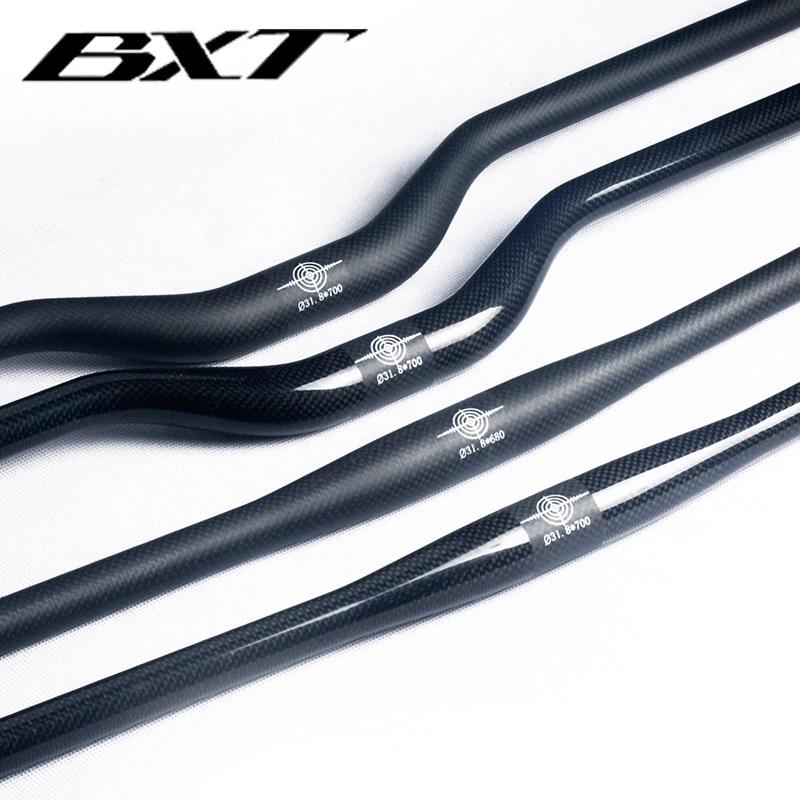
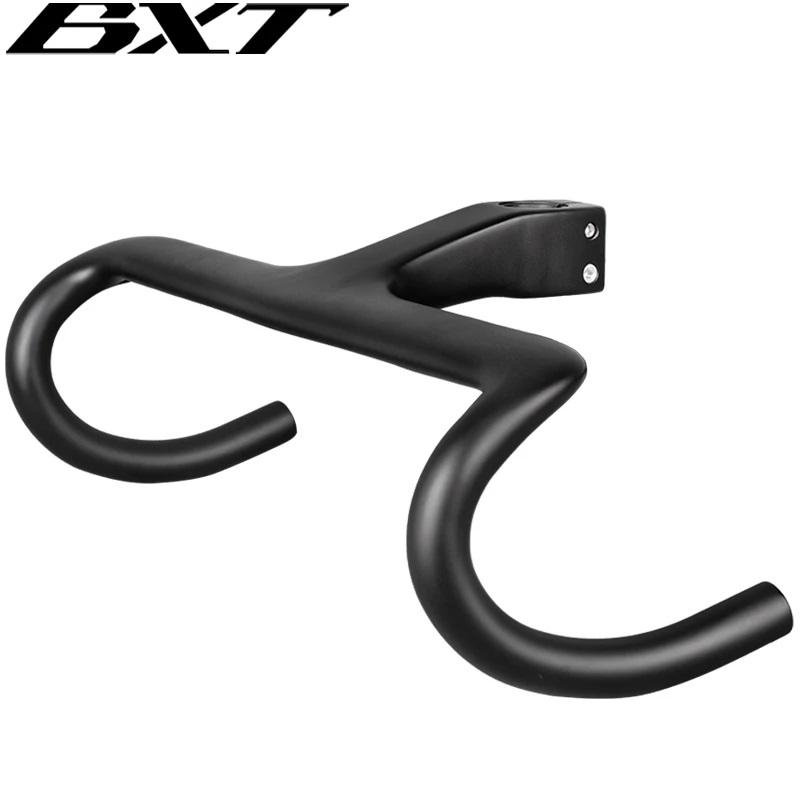
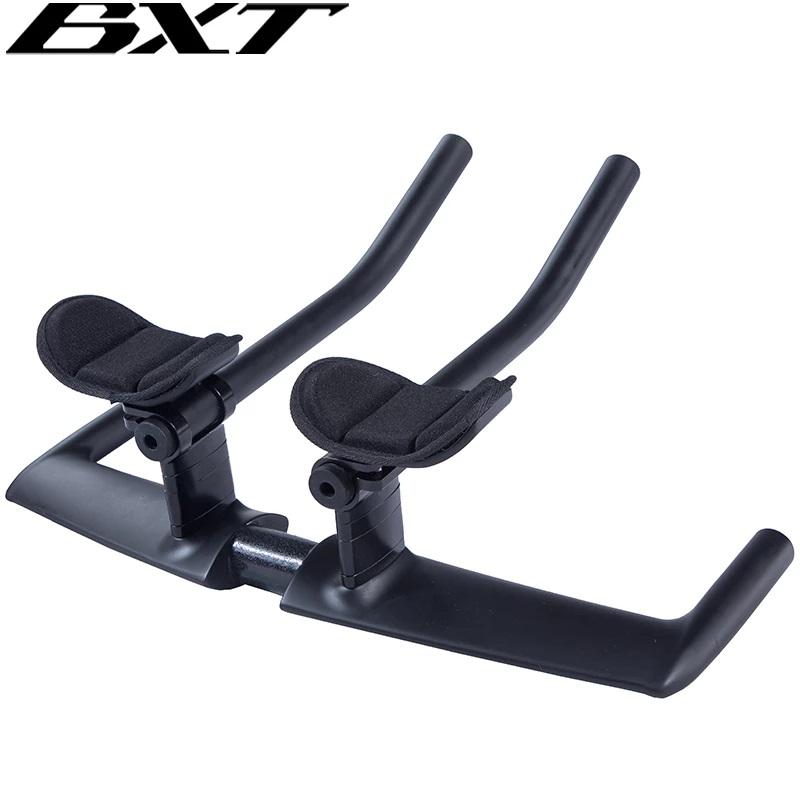
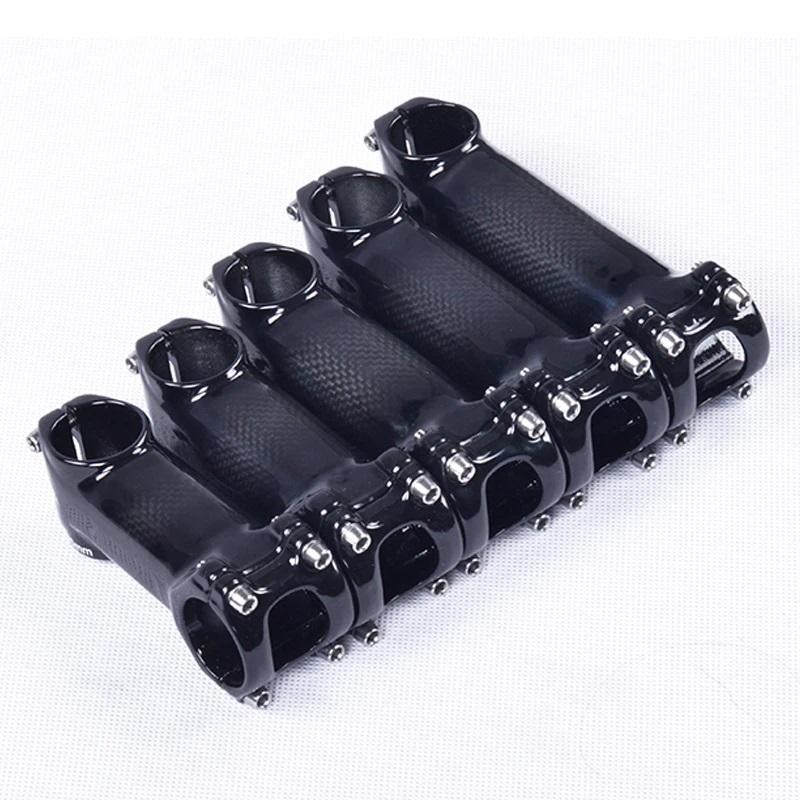
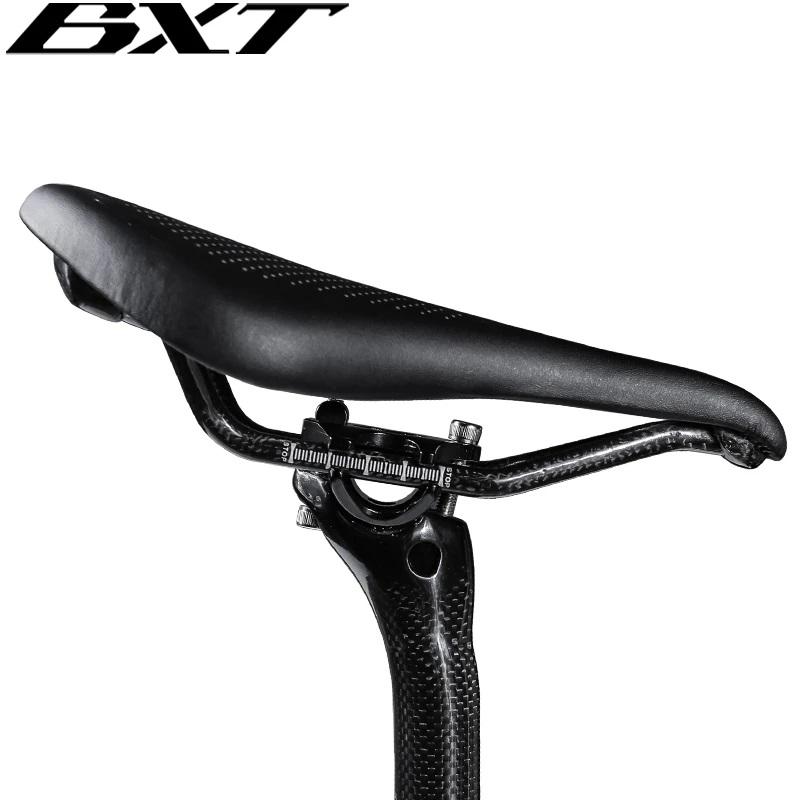
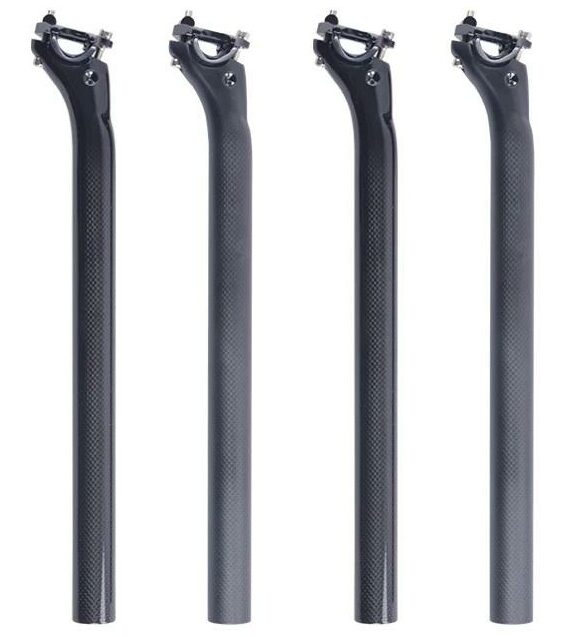
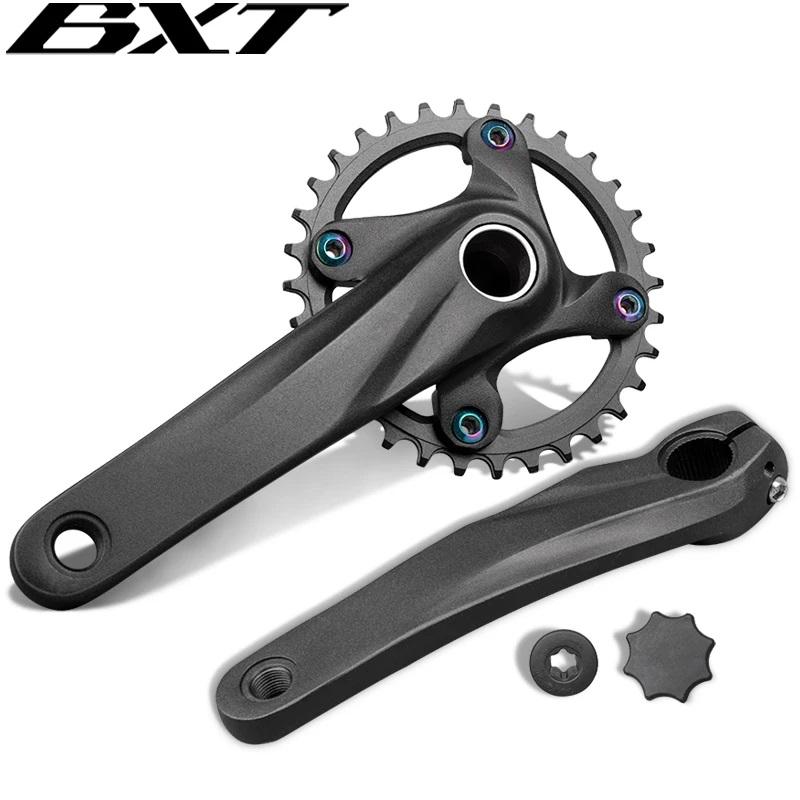
BXT CARBON PARTS
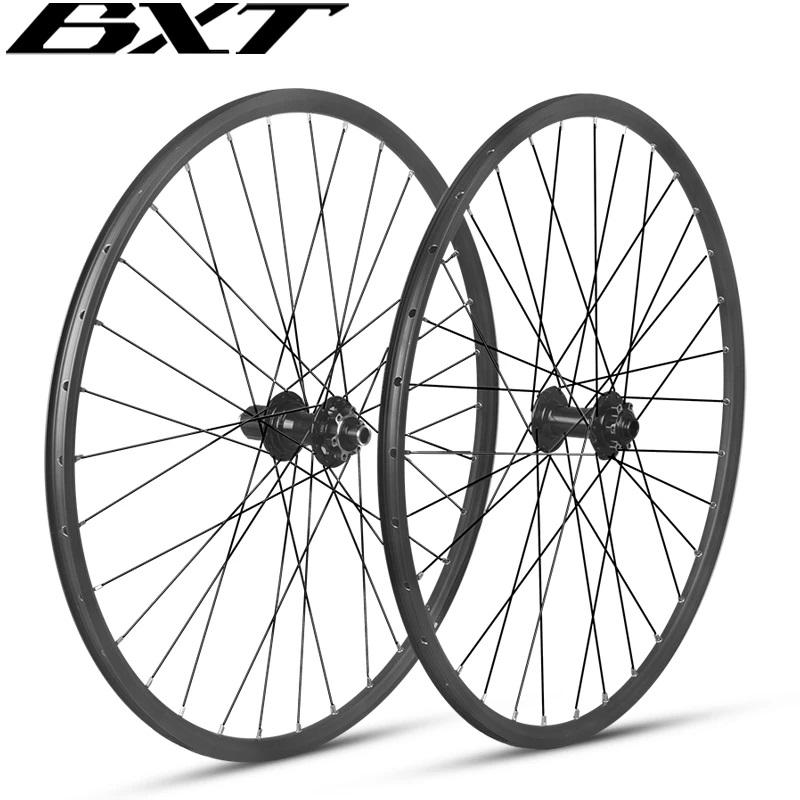
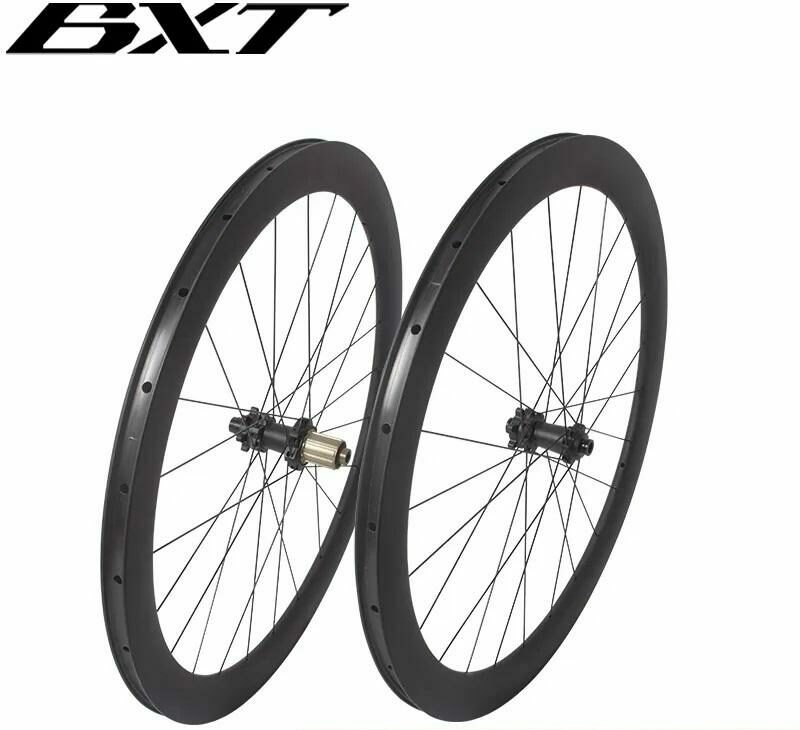
BXT CARBON WHEEL
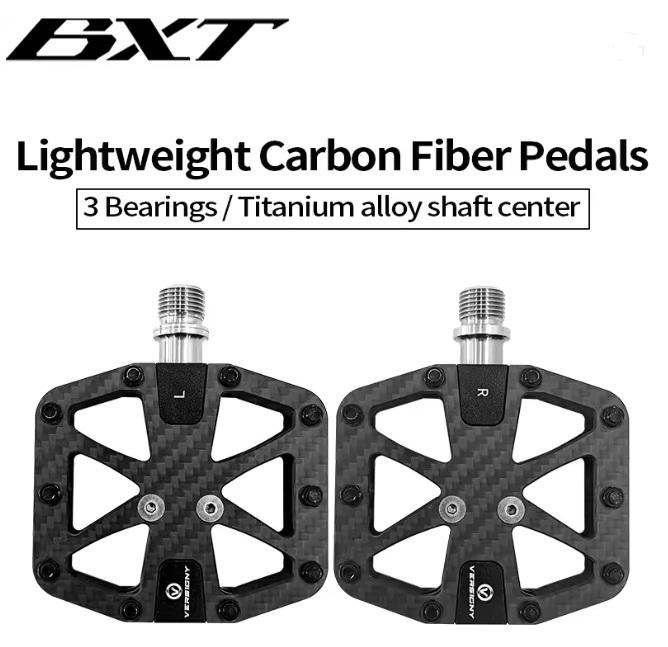
BXT CARBON PEDALS
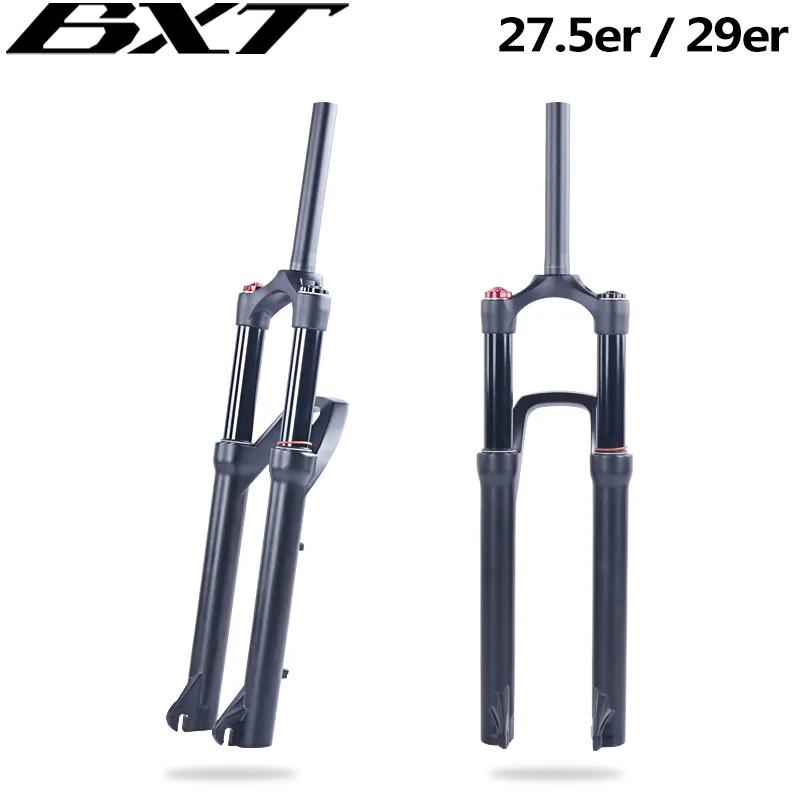
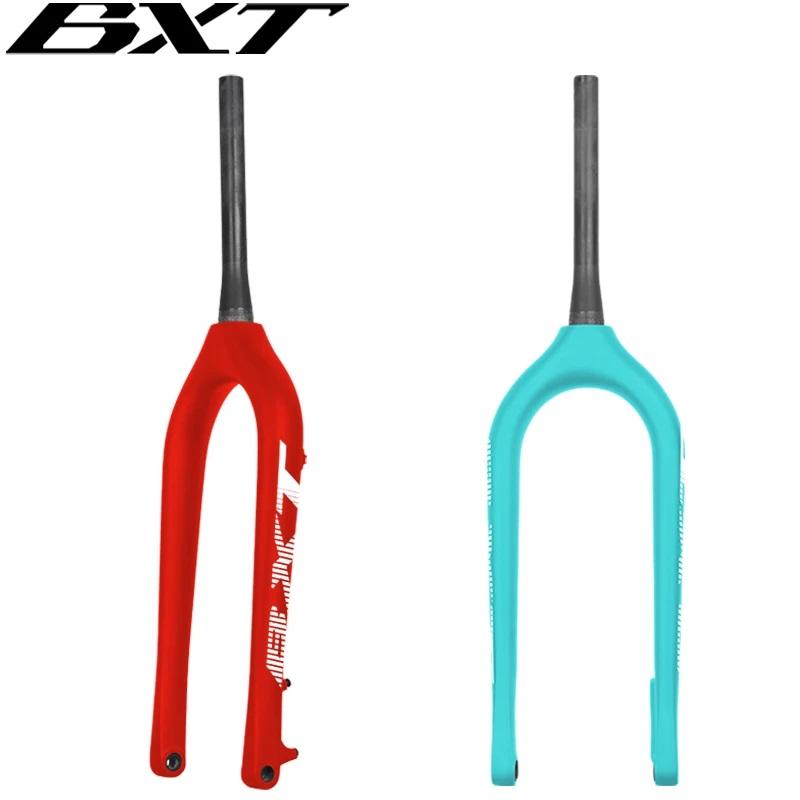
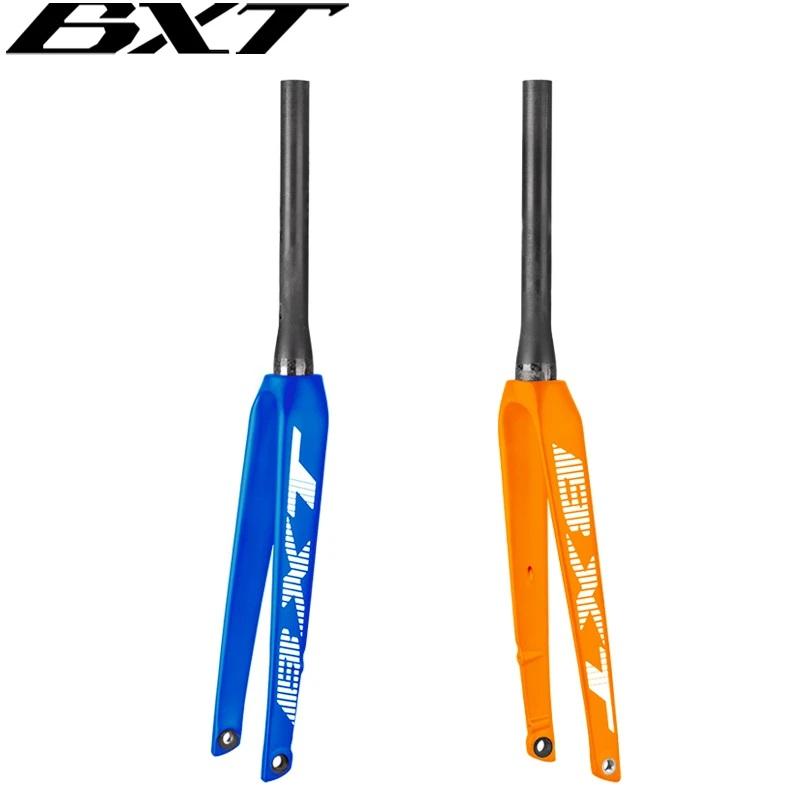
BXT CARBON FORK
BXT CARBON FRAME
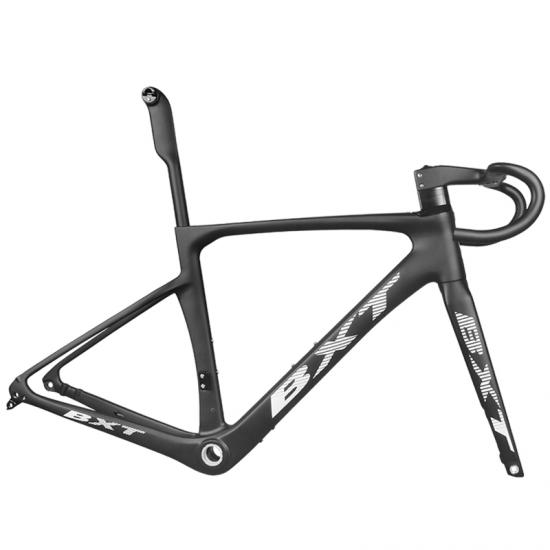
BXT CARBON BIKE
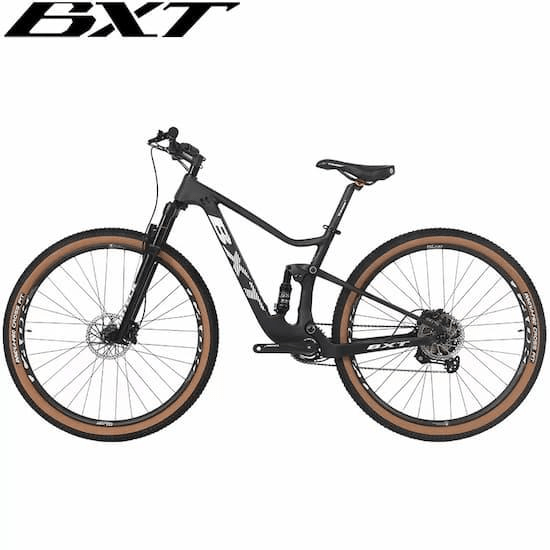
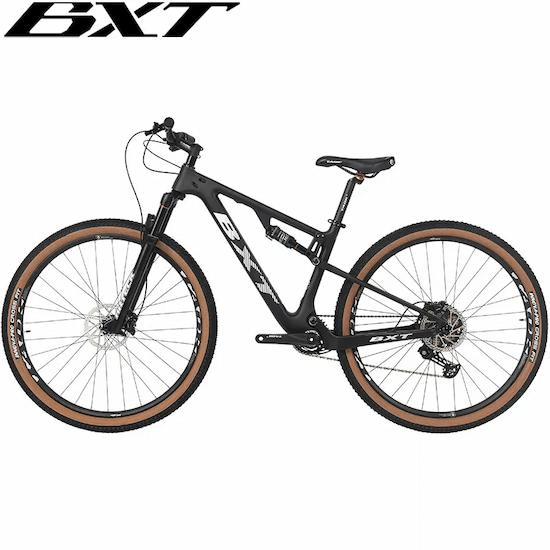
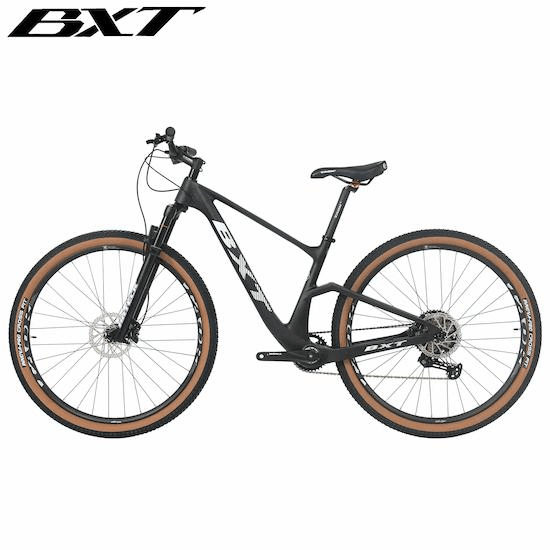
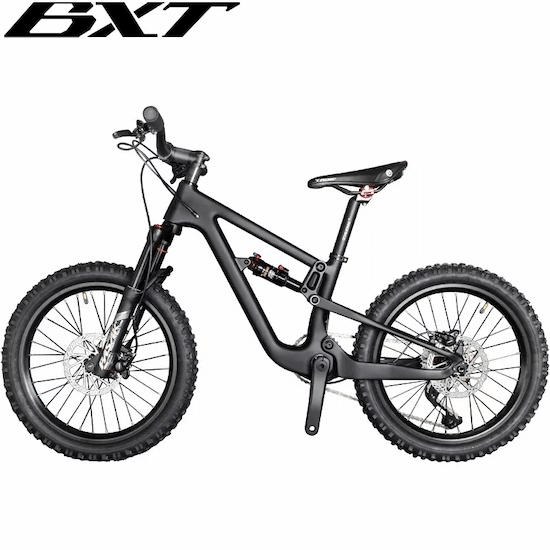
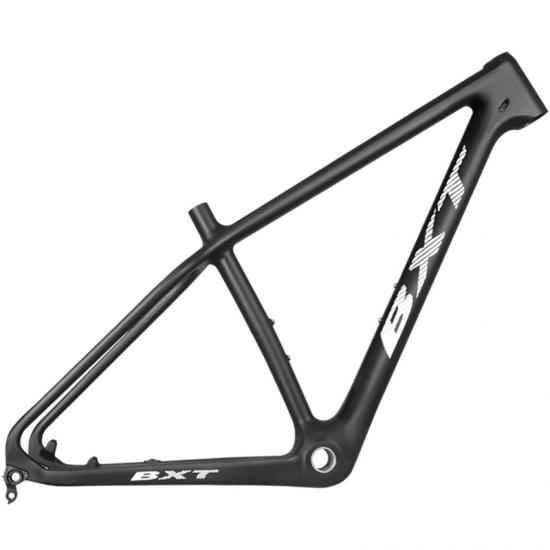
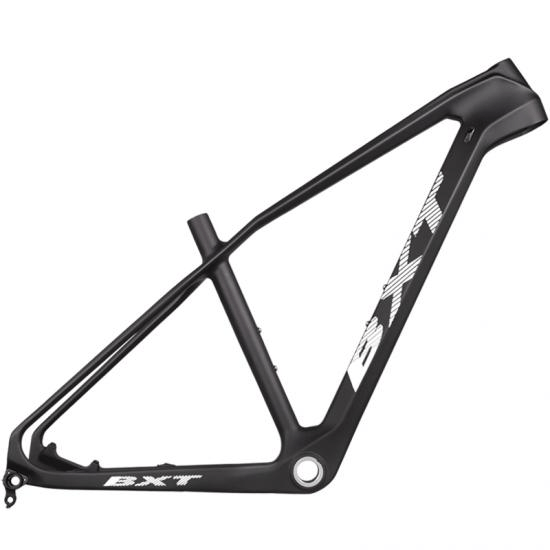
BXT CARBON MTB FRAME
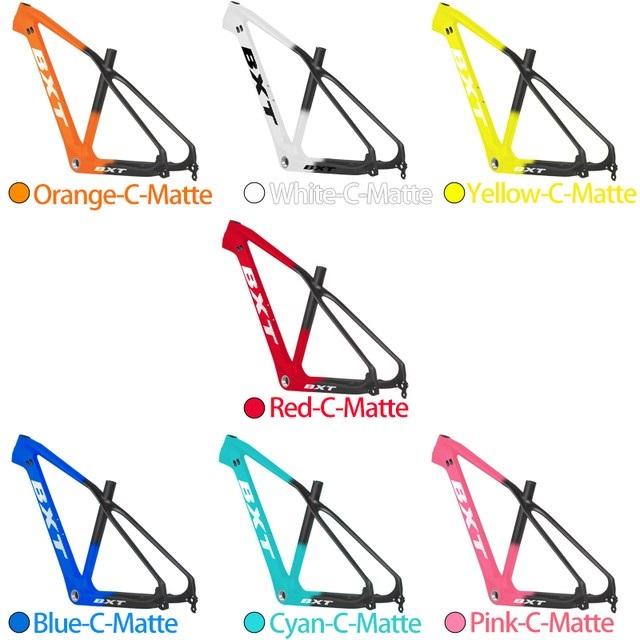
Mountain bike frames face loads no road frame ever encounters: lateral rock strikes, torsional stress in banked turns, repeated compression from drops and jumps. BXT MTB frames use ±45° carbon plies at the BB shell for maximum torsional rigidity and 0° unidirectional fibers along the main tubes to resist longitudinal bending without adding weight.
BXT’s long-low-slack MTB geometry — extended wheelbase, low BB, 65–66° head angle — delivers high-speed stability without sacrificing precision in technical sections. Chainstays under 430 mm make natural wheelies and tight switchbacks manageable, turning the frame into a tool rather than an obstacle.
Compatible with tires up to 2.6 inches on 29 or 27.5+ wheels, BXT MTB frames accept forks up to 160 mm of travel. Full internal cable routing and pre-installed chainstay protection complete a frame built to perform over thousands of trail miles.
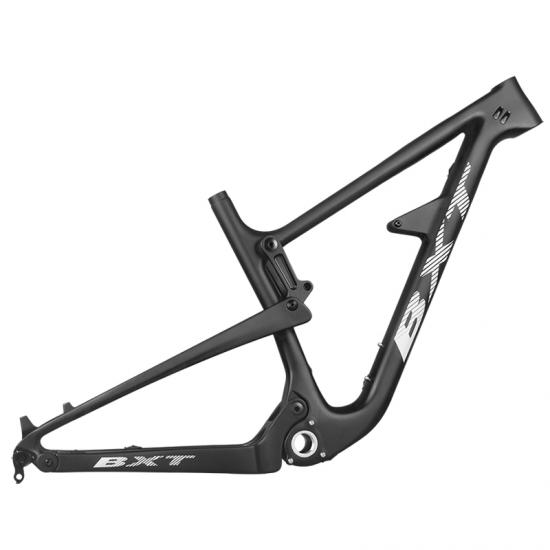
BXT CARBON AM FRAME
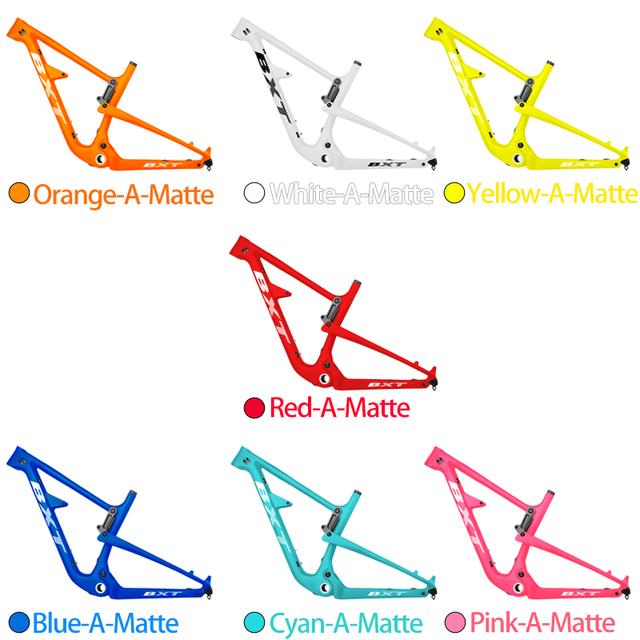
All-Mountain riding demands a frame that climbs efficiently and descends confidently. BXT AM geometry balances a 66° head angle for descending stability with a steeper 74° effective seat tube angle that keeps weight forward on climbs — a frame that doesn’t need to be wrestled in either direction.
The asymmetric seatstay layup — a technique borrowed from professional race frame development — absorbs vibration differently on the drive and non-drive sides, reducing fatigue on long descending runs while keeping pedaling stiffness at peak. T1000 fiber density is highest at the BB shell and head tube junction, where loads are greatest.
BXT AM frames accommodate 130 to 160 mm forks and fit 29-inch or 27.5+ wheels depending on the model. Internal routing is compatible with both SRAM AXS wireless and Shimano Di2 electronic groupsets, ready for the most modern components without drilling or external cable stops.
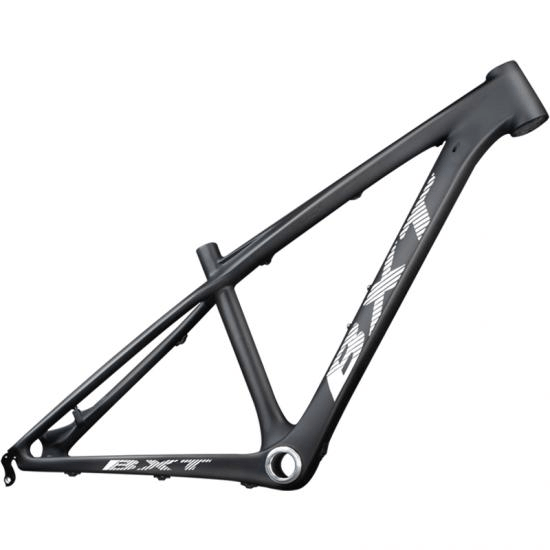
BXT CARBON XC FRAME
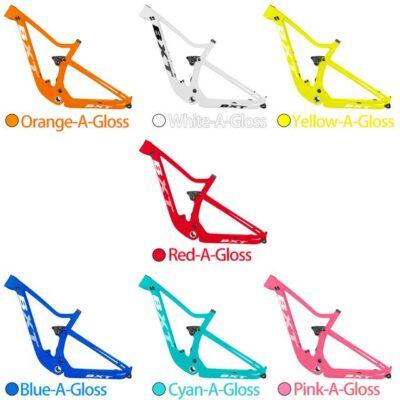
Cross-country racing rewards the lightest frame with the highest stiffness. BXT XC frames reach sub-1 kg weights in size M through finite element analysis-optimized layups — every carbon ply placed exactly where structural simulation shows it is needed, nowhere else.
BXT XC geometry is built for race performance: 69° head angle, 74° seat tube, 420 mm chainstays. This setup lets you attack steep climbs seated without losing front wheel traction and handles technical XC descents at World Cup level without becoming nervous or unpredictable.
UCI-approved for international competition, BXT XC frames are built for 100 mm forks and 29-inch wheels. The tapered 1-1/8 to 1-1/2 inch headset standard delivers precise steering feedback, decisive when fractions of a second separate the podium from fourth place.
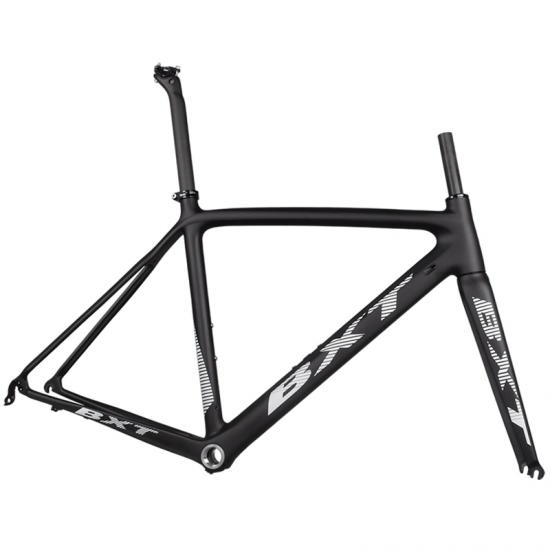
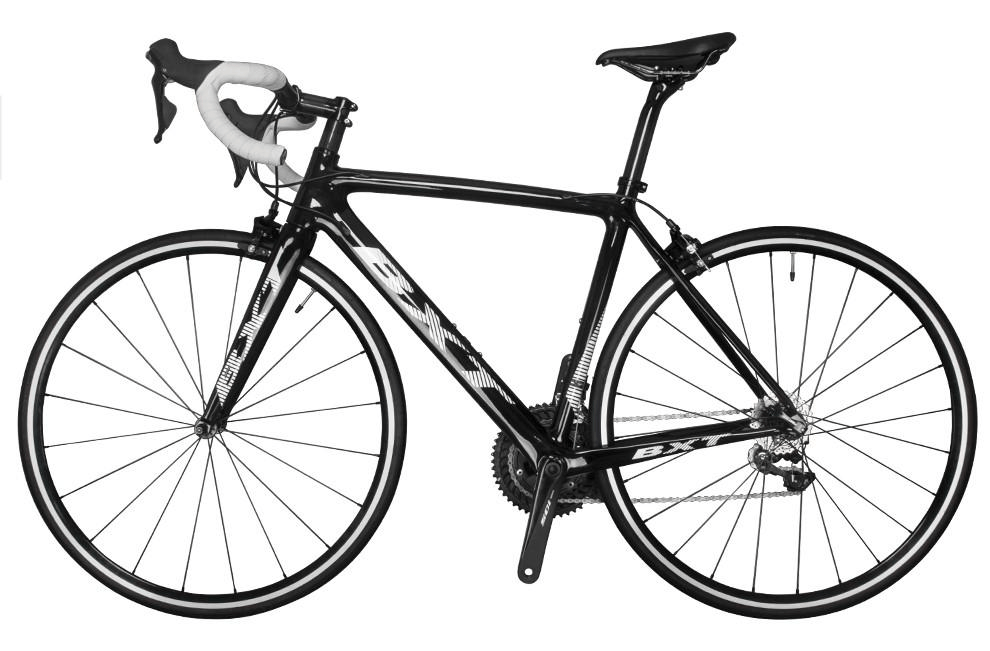
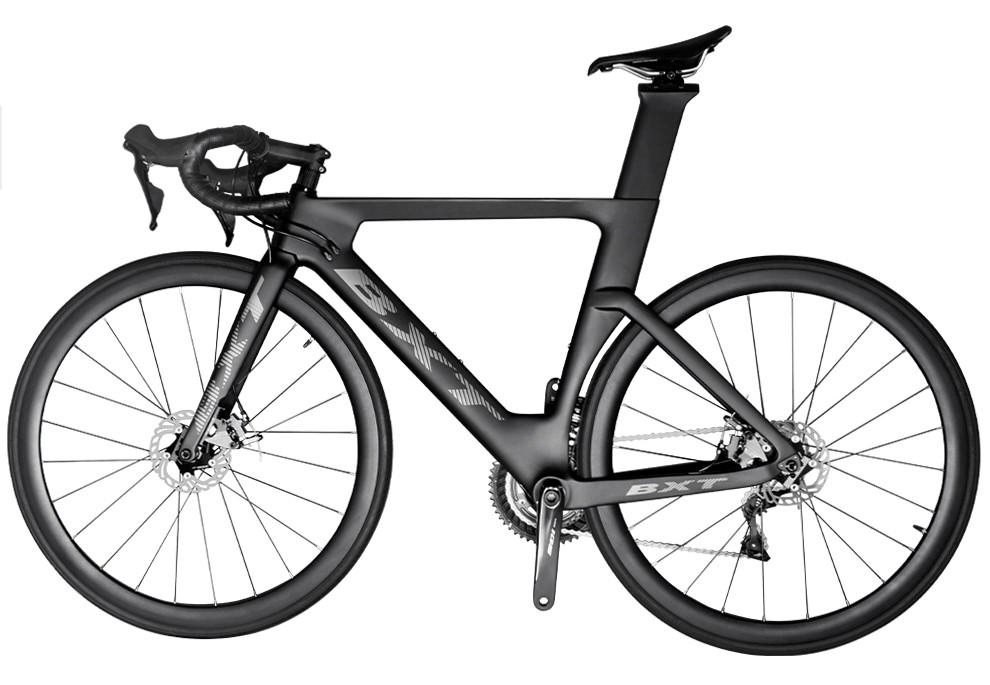
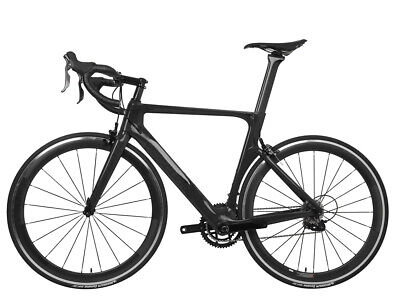
BXT CARBON ROAD FRAME
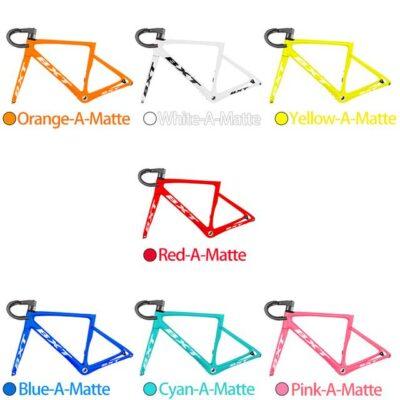
Road frame stiffness begins at the bottom bracket. BXT road frames feature a press-fit 86 mm BB shell reinforced with radial unidirectional carbon layups — fibers oriented along the exact axis of pedaling loads. Measured BB deflection under sustained sprinting stays below 1 mm, a level of rigidity associated with professional racing frames.
Aerodynamic tube profiles on BXT road frames — teardrop cross-sections with blunt trailing edges — reduce drag compared to round tubes by a margin measurable in watts over a four-hour ride. Integrated cable routing through the handlebar and steerer eliminates air disturbance at the front of the bike.
Available in sizes XS through XXL, BXT road frames are certified to EN 14781 European standards. UV-resistant clear coat or paint is applied after post-cure at 120°C for maximum matrix hardness — a process that significantly improves long-term durability and surface adhesion.
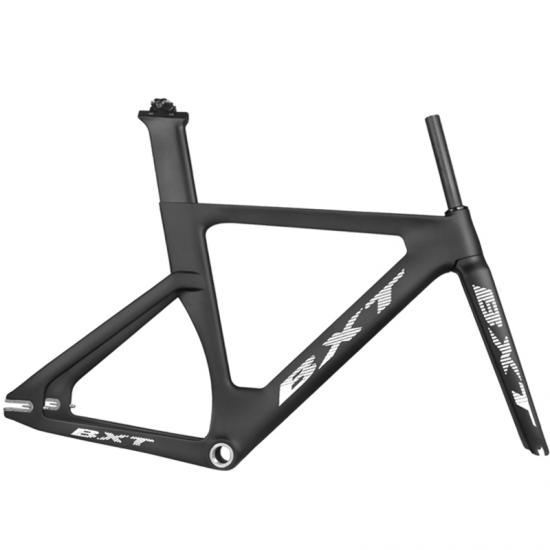
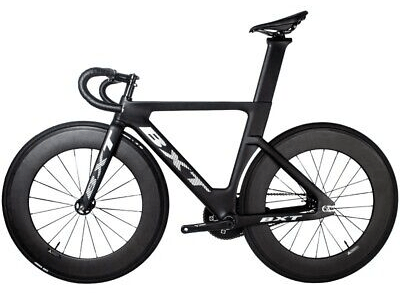
BXT CARBON TRACK FRAME
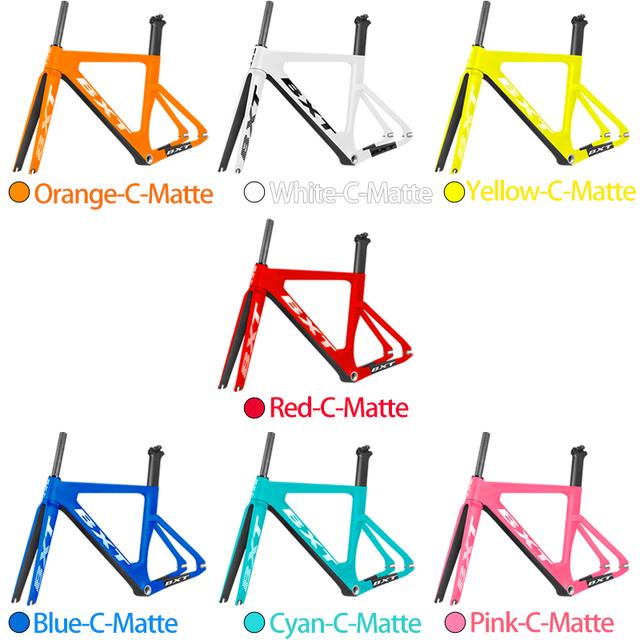
Track cycling strips the bicycle to its purest form: no brakes, no shifting, nothing between you and the velodrome surface but the frame and drivetrain. BXT track frames are built to this discipline’s uncompromising standards, with elliptical tube profiles optimized for the specific airflow patterns inside velodromes.
Torsional stiffness at the bottom bracket exceeds 55 N·m/° on BXT track frames — a level associated with professional sprint competition. This is achieved through a multi-directional carbon layup wrapping the BB shell, combined with aluminum alloy inserts at all threaded interfaces.
BXT track geometry is built for power: head angles between 73° and 75°, a near-vertical 76° seat tube, and chainstays measuring 395 to 405 mm depending on size. These figures place the rider in a natural sprint position, optimized for events from the flying 200m to the kilo and omnium.
Fully UCI-approved, BXT track frames ship with a stainless steel rear dropout for precise chain tension adjustment without damage risk. Frame weight in size M: 820 g — achieved without any compromise on structural certification or impact resistance.
A complete BXT track frame-and-fork assembly rarely exceeds 1.1 kg. Paired with BXT 60 mm carbon wheels, the resulting package delivers sprint performance at a price point well below comparable European racing brands.
BXT CARBON V BRAKE FRAME
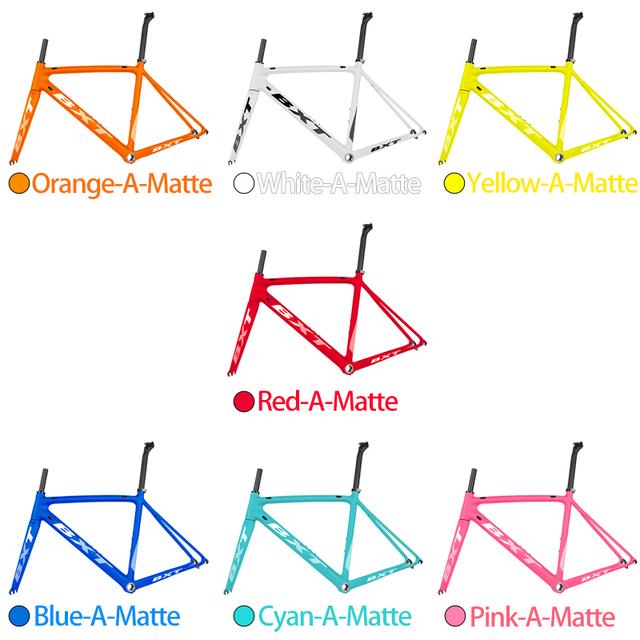
BXT’s V-brake road frame is designed for riders who prioritize rim brake compatibility — a relevant choice for vintage road builds, mountain descents where modulation matters most, and markets where disc brake servicing infrastructure is limited. Cable stops and brake bosses are machined for consistent pad contact across the rim surface.
Durability: carbon frames have a widely misunderstood reputation for fragility. BXT T1000 carbon road frames undergo 100,000 pedaling load cycles and 50,000 lateral braking force cycles in standardized fatigue testing — the same protocols applied to aluminum frames — with consistent results showing no deformation or cracking.
Every BXT frame is individually numbered and accompanied by a quality control record generated during production. Third-party laboratory certification is conducted on each production batch before frames reach distribution. This documentation is available on request through BXT customer service.
BXT V-brake frames are manufactured in CNC-precision molds using hand-selected fiber sheets. The consistency achieved between individual frames from the same mold means every rider receives the same structural properties, the same geometry, and the same finish quality, regardless of production date.
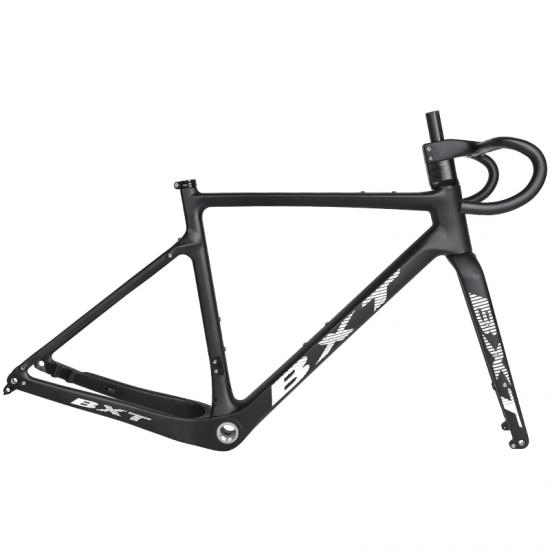
BXT CARBON GRAVEL FRAME
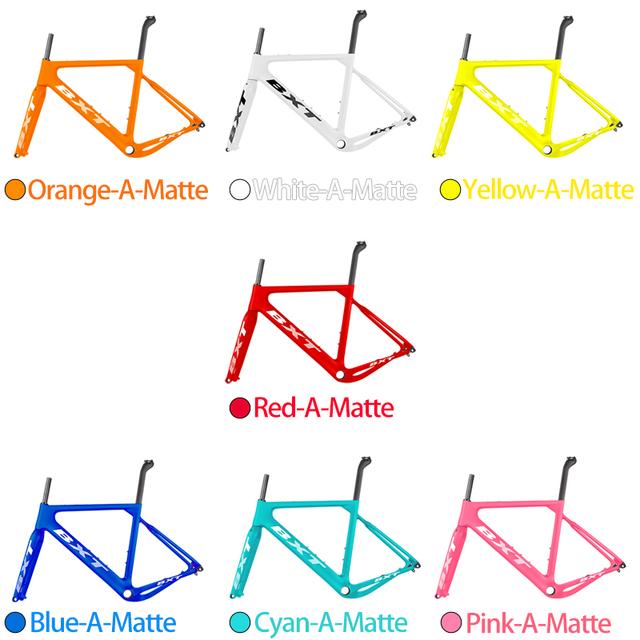
Gravel riding covers everything from smooth dirt roads to rutted forest tracks and broken tarmac. BXT gravel frames are built to absorb the specific vibration profile of these surfaces: the seatstays are stratified with compliance-oriented layups that filter road noise without reducing bottom bracket stiffness.
Resistance is built in at the structural level. T1000 long-fiber carbon is oriented diagonally at critical junctions — seatstay-to-seat-tube, BB-to-chainstay — to handle torsional loads generated by uneven terrain under pedaling force. This orientation prevents delamination and fatigue cracking even after thousands of mixed-surface kilometers.
Lateral stiffness at the BB is deliberately higher in BXT gravel frames than in comfort or touring frames: when you’re sprinting up a gravel climb, you want every watt reaching the wheel. Tire clearance up to 45 mm depending on the model adapts the frame from packed forest trails to demanding bikepacking routes.
Vibration damping is enhanced by ±45° fiber orientation in the upper seatstays — an engineering choice that improves long-distance comfort without adding weight. This level of layup sophistication is typically found only on premium frames costing significantly more.
BXT gravel frames feature clean, modern tube profiles in multiple color options. Designed to look as refined at a café stop as they perform on a mountain pass, they reflect the gravel rider’s demand for a machine that works as hard as it looks good.
See also